
AI Images and Videos: How Do We Know What to Trust?
Every day, people scroll through countless images and videos online without stopping to question whether what they are seeing is real. Advances in artificial intelligence have made it possible to create highly realistic content that can imitate real people, events, and situations with incredible accuracy. While AI technology can be used for creativity, education, and entertainment, it can also be used to spread misinformation, manipulate emotions, and deceive viewers. As AI-generated content becomes more common, learning how to recognize and evaluate digital media is becoming an essential life skill.
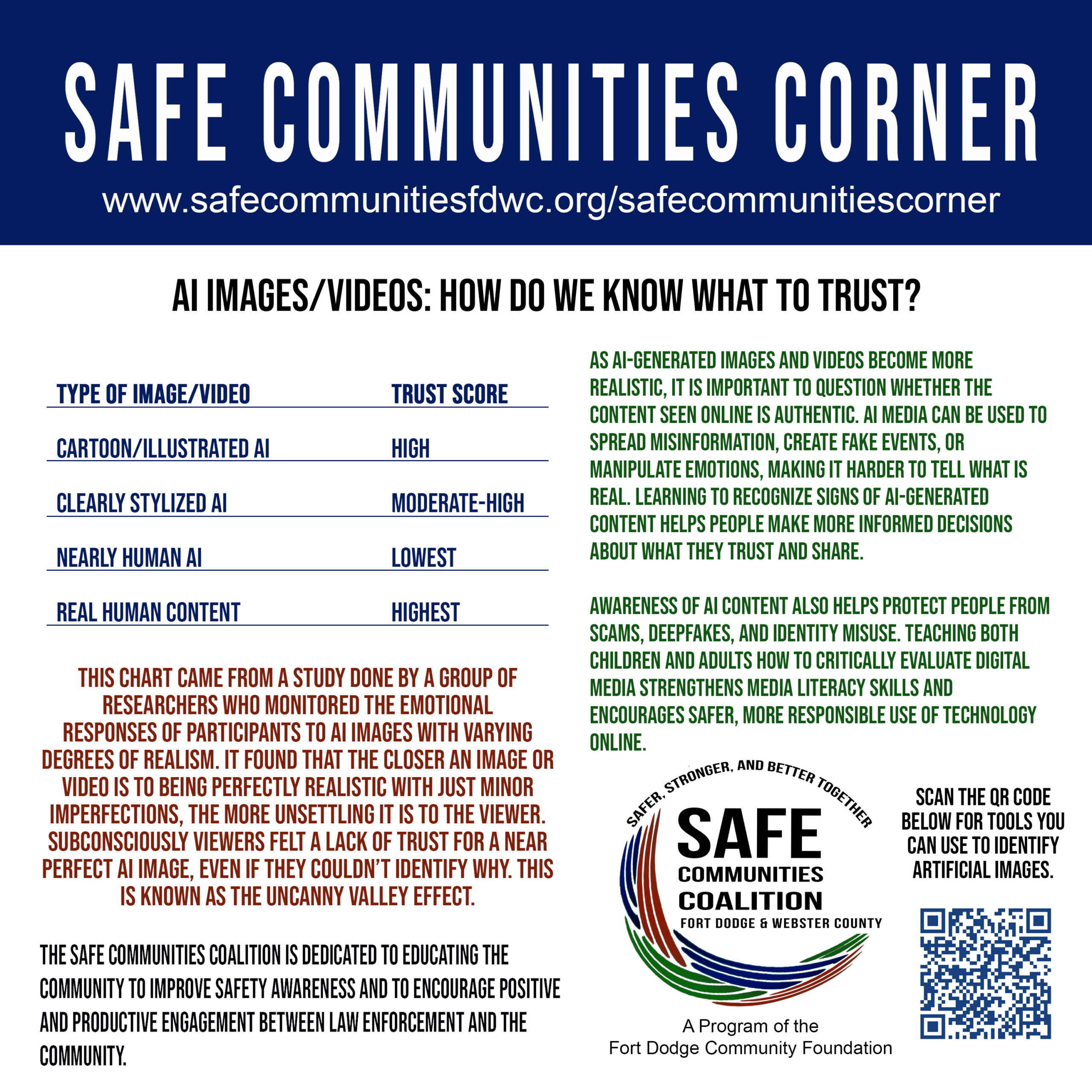
One of the biggest challenges with AI-generated media is that the more realistic it becomes, the harder it can be for people to identify what is fake. Research on emotional responses to AI imagery has shown an interesting pattern: viewers often feel most uncomfortable with images that appear “almost real” but still contain subtle imperfections. This phenomenon is known as the “uncanny valley” effect. Cartoon or clearly illustrated AI images are usually easier for people to recognize and trust because they are obviously artificial. However, nearly human AI images can create feelings of uncertainty or distrust, even when viewers cannot immediately explain why. Real human-created content still tends to receive the highest levels of trust from viewers.
AI-generated images and videos can have serious real-world consequences. Fake videos, commonly called deepfakes, can spread false information, damage reputations, imitate trusted individuals, or influence public opinion. Scammers also use AI tools to create convincing fake profiles, fake emergencies, and misleading social media content. In some cases, AI-generated media has been used to impersonate family members, celebrities, public officials, or businesses in order to trick people into sending money or sharing personal information.
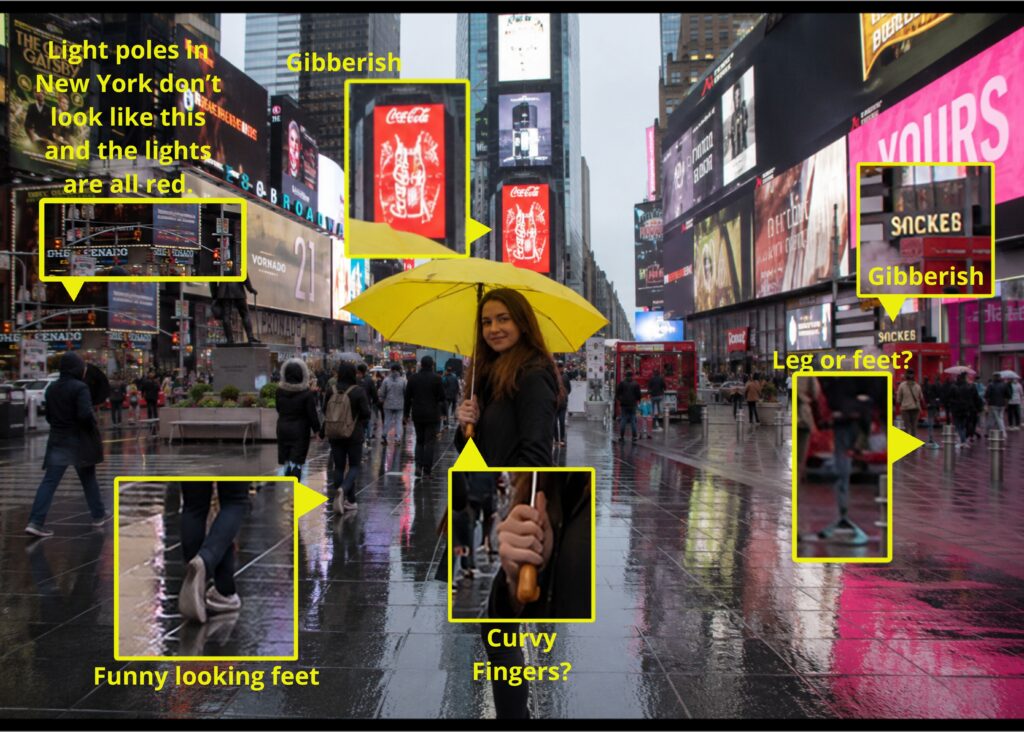
Because of these risks, it is important for both children and adults to develop strong media literacy skills. A few warning signs can help identify possible AI-generated content. Watch closely for unnatural facial expressions, distorted hands or fingers, blurry backgrounds, inconsistent lighting, unusual shadows, or audio that does not perfectly match lip movements. It is also important to consider the source of the content. Ask questions such as: Who posted this? Can the information be verified through trusted news outlets or official sources? Does the image or video seem designed to provoke a strong emotional reaction?
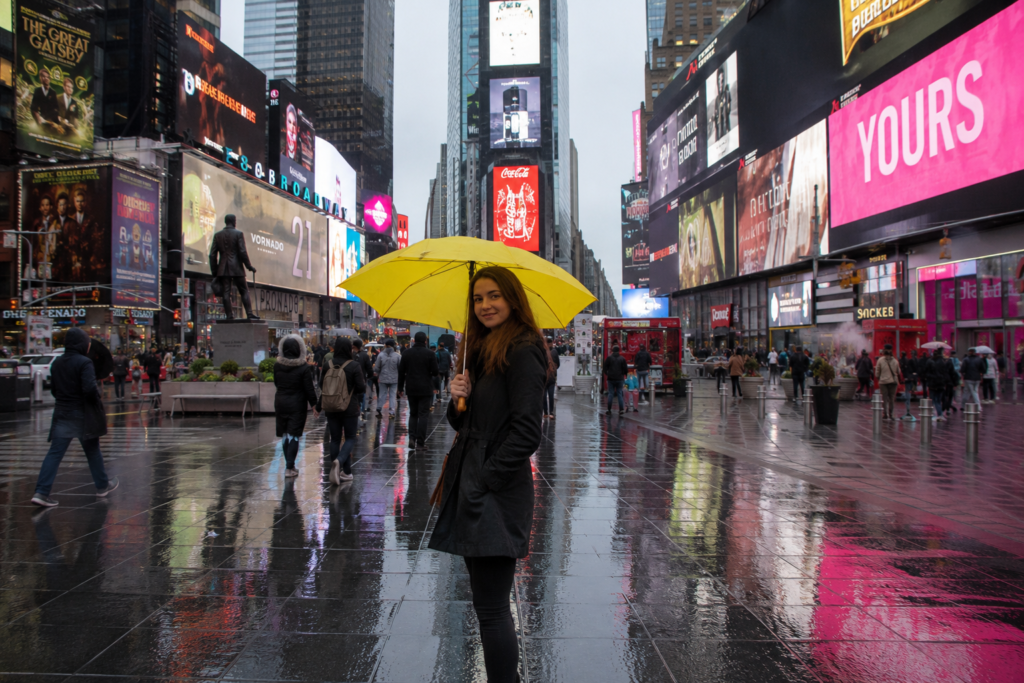
Let’s see how you do at identifying an AI image. Look closely, what do you see?
Teaching people how to critically evaluate online content helps build safer and more informed communities. Awareness of AI-generated media can reduce the spread of misinformation and help protect individuals from scams, identity misuse, and manipulation. Families, schools, and community organizations all play an important role in encouraging healthy skepticism and responsible technology use.
The Safe Communities Coalition of Fort Dodge and Webster County is committed to helping educate the community about emerging safety concerns, including the growing impact of artificial intelligence online. By learning how to recognize AI-generated content and think critically about what we see online, we can all make smarter decisions about what we trust, share, and believe.