
Is It Really “Just” Screen Addiction?
Take a moment and check your phone’s screen time report. Were you surprised by the number? If so, you’re not alone. Studies suggest that many people significantly underestimate how much time they spend on their devices each day. In a world where screens are woven into nearly every aspect of daily life, excessive screen use has become so common that it often feels normal. But just because something is common doesn’t mean it’s harmless.
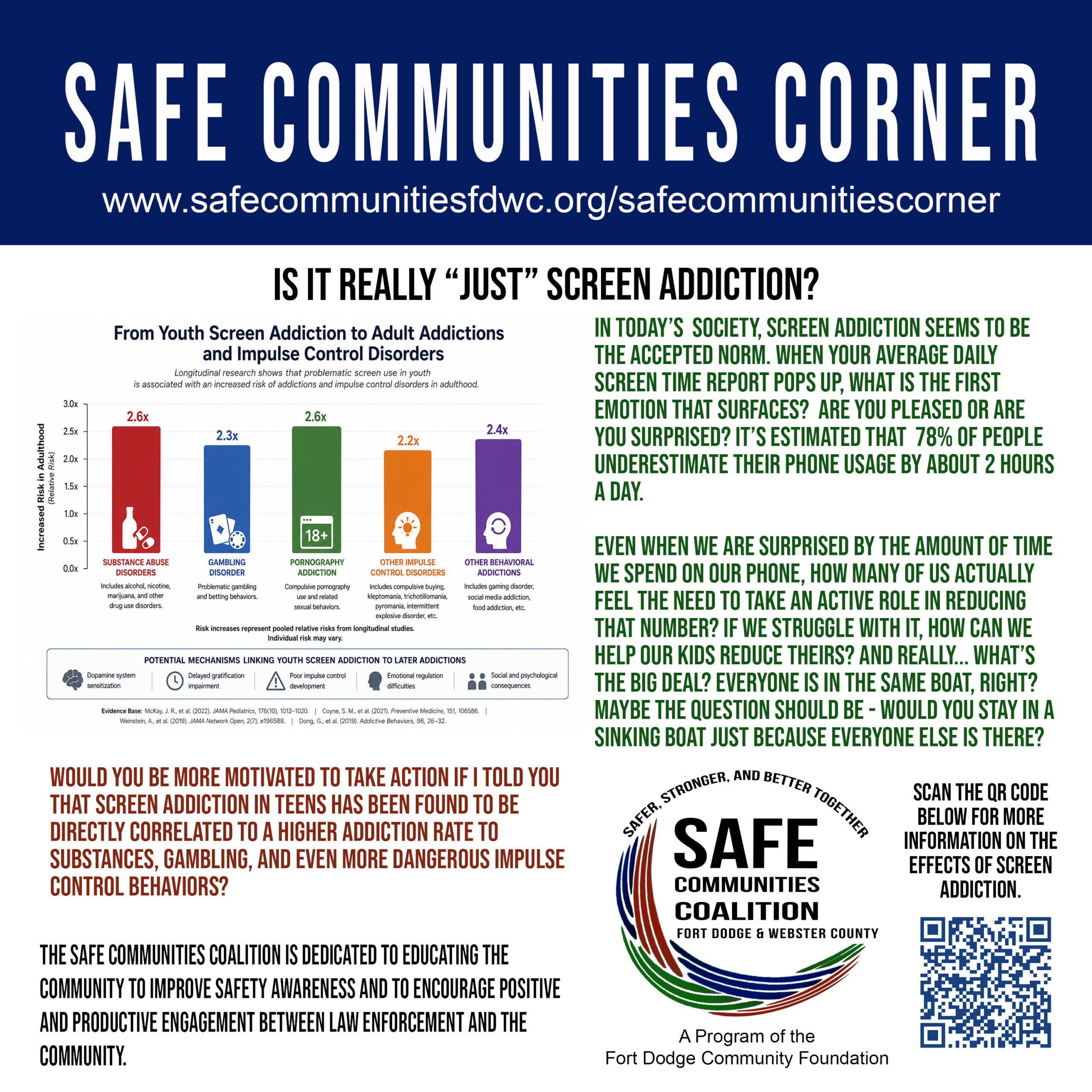
For many parents, the concern about screen time centers on grades, sleep, or social skills. While those issues are important, emerging research suggests there may be a much larger concern: the long-term impact excessive screen use can have on the developing brain. Researchers are increasingly finding links between problematic screen use during adolescence and a higher likelihood of addictive and impulse-control behaviors later in life.
The Connection Between Screen Addiction and Future Addictions
The adolescent brain is still developing, particularly the areas responsible for decision-making, self-control, and emotional regulation. Excessive screen use can repeatedly stimulate the brain’s reward system, creating patterns that mirror those seen in other addictive behaviors.
Research has found that youth who exhibit signs of problematic screen use may face increased risks for:
- Substance abuse disorders
- Gambling addiction
- Pornography addiction
- Other impulse-control disorders
- Additional behavioral addictions
While screen addiction does not guarantee that a young person will develop these issues, studies suggest it may increase vulnerability by strengthening pathways associated with reward-seeking and instant gratification.
Why Does This Happen?
Experts point to several possible mechanisms:
Dopamine Sensitization
Many apps, games, and social media platforms are intentionally designed to keep users engaged through constant rewards, notifications, and unpredictable feedback. Over time, the brain may become conditioned to seek frequent stimulation.
Delayed Gratification Becomes More Difficult
Healthy development includes learning patience and working toward long-term goals. Constant access to entertainment and instant rewards can make delayed gratification more challenging.
Reduced Impulse Control
Excessive screen use may interfere with the development of self-regulation skills, making it harder to resist urges and temptations later in life.
Emotional Regulation Challenges
Many people turn to screens to escape stress, boredom, loneliness, or anxiety. When screens become the primary coping mechanism, healthy emotional management skills may not fully develop.
The “Everyone Does It” Trap
When concerns about screen time are raised, a common response is, “Everyone is on their phones.”
That’s true.
But consider this question: Would you stay on a sinking boat simply because everyone else was there?
The fact that excessive screen use has become widespread does not make it harmless. In many ways, society is conducting a large-scale experiment on childhood development, and researchers are only beginning to understand the long-term consequences.
What Can Parents Do?
The goal is not to eliminate technology. Screens are valuable tools for learning, communication, and entertainment. Instead, families should focus on creating healthy boundaries.
Consider:
- Establishing screen-free times during meals and before bed
- Encouraging outdoor activities and hobbies
- Modeling healthy screen habits as adults
- Monitoring content as well as screen time
- Having regular conversations about digital wellness
- Helping children develop real-world coping skills for stress and boredom
Small Changes Today Can Make a Big Difference Tomorrow
Screen addiction is often dismissed as a modern inconvenience. However, growing evidence suggests it may be linked to much more serious challenges later in life. By recognizing the risks and promoting balanced technology use, parents and caregivers can help young people develop the self-control, resilience, and healthy habits they need for the future.
The question isn’t whether screens are part of our lives—they are. The question is whether we’re using them intentionally, or whether they’re using us.