
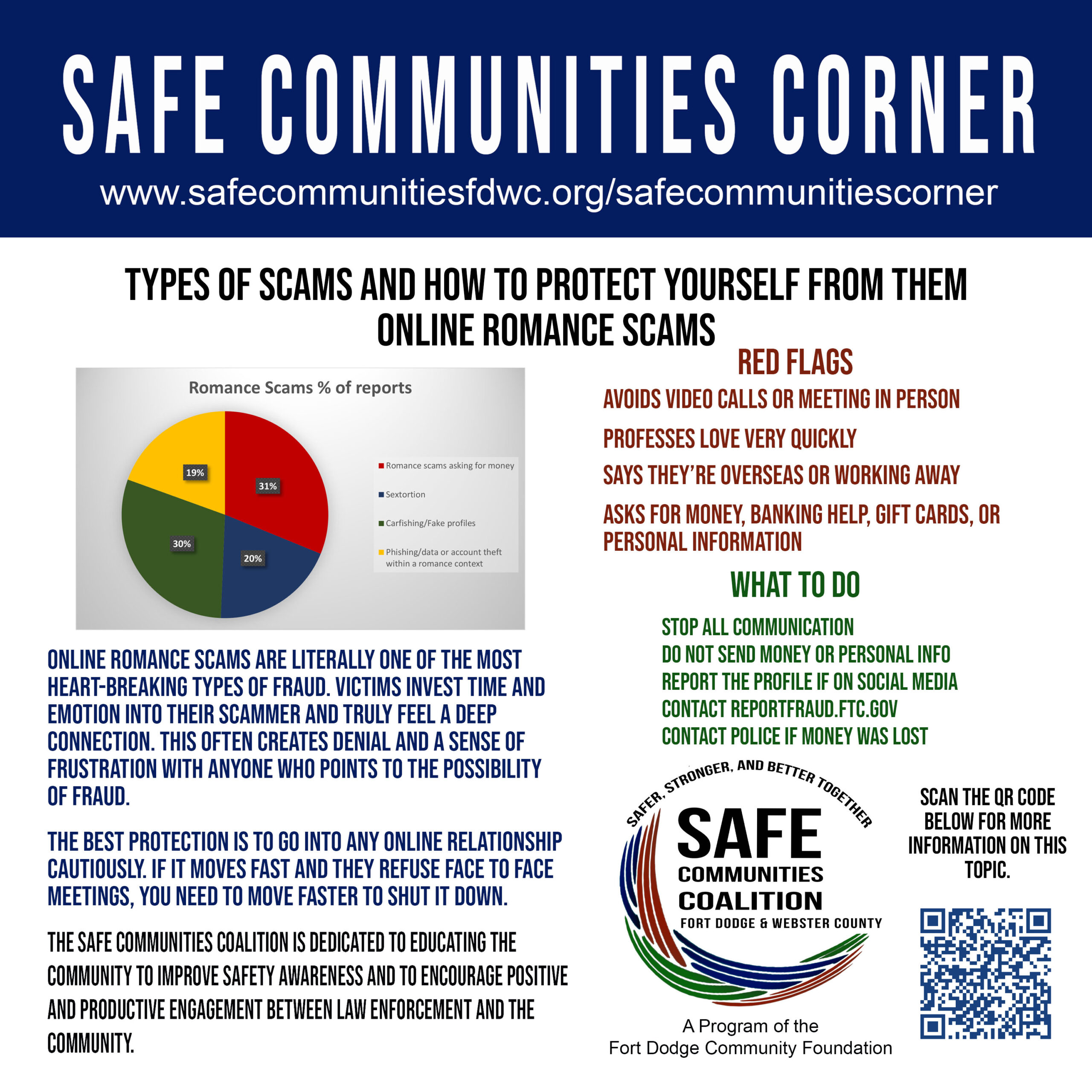
Online romance scams are literally one of the most heartbreaking types of fraud. Unlike many scams that target quick decisions or financial confusion, romance scams target something far more personal: trust, hope, and emotional connection.
Victims often invest weeks or months building what feels like a meaningful relationship. They share personal stories, dreams, struggles, and daily life. Over time, that emotional bond can feel very real. That’s why when the truth surfaces, the impact isn’t just financial, it’s deeply personal.
How Romance Scams Work
Scammers create fake profiles on dating apps, social media platforms, or even through direct messages. Often, they use stolen photos and carefully crafted backstories. They may claim to be:
Working overseas
In the military
On an oil rig
Traveling for business
A widowed professional raising a child
The relationship often moves quickly. They may profess love early, talk about a future together, or call you their “soulmate” within days or weeks.
Then comes the request.
It might be:
Money for a medical emergency
Funds to cover travel costs to visit you
Help with customs fees or shipping charges
Gift cards for a temporary crisis
Banking help or personal financial information
These stories are designed to create urgency and sympathy. Once money is sent, more requests often follow.
The Most Common Romance Scam Tactics
Romance Scams Asking for Money (Fake Emergencies)
This is the most frequently reported tactic. The scammer creates a crisis: medical bills, travel delays, legal trouble, or family emergencies and asks for financial help. They often promise repayment once they “arrive” or “get access to their account.”
Sextortion
In sextortion cases, scammers build trust and convince someone to share intimate images or participate in explicit video chats. They then threaten to send those images to family, friends, or employers unless money is paid. These cases are increasing nationwide and can cause severe emotional distress.
Catfishing / Fake Profiles
Catfishing involves creating a completely fake identity. The scammer may use stolen photos of attractive professionals, military members, or influencers. Their goal is to create a believable, appealing persona that builds emotional trust.
Phishing Within a Romance Context
After gaining trust, scammers may attempt to access personal information such as banking details, passwords, Social Security numbers, or verification codes. Emotional connection is used as leverage to bypass normal caution.
Red Flags to Watch For
The warning signs are often subtle at first, but common patterns include:
They avoid video calls or always have excuses not to meet in person.
They profess love very quickly.
They say they are overseas or working far away.
They ask for money, gift cards, banking assistance, or personal information.
They create repeated emergencies.
If the relationship feels rushed or overly dramatic, pause and reassess.
Why Victims Often Struggle to Recognize the Scam
Romance scams are powerful because they manipulate emotion. Victims may experience denial when friends or family raise concerns. The scammer may even warn them that others “won’t understand our love.”
This emotional manipulation creates isolation and makes it harder to walk away.
It’s important to remember: falling victim to a romance scam is not a sign of weakness. These criminals are skilled manipulators who prey on kindness and trust.
What To Do If You Suspect a Romance Scam
If you believe you may be interacting with a scammer:
Stop all communication immediately.
Do not send money or personal information.
Report the profile on the dating app or social media platform.
File a report at ReportFraud.ftc.gov.
Contact local law enforcement if you have lost money.
The sooner you act, the better the chances of limiting financial damage.
Protecting Yourself Moving Forward
The best protection is to approach online relationships with caution:
Take your time.
Verify identities through video calls.
Never send money to someone you have not met in person.
Be skeptical of urgent financial requests.
Talk to a trusted friend or family member before sending money.
If a relationship is genuine, it will withstand patience and verification.
Building a Safer Community Together
The Safe Communities Coalition is dedicated to educating our community about fraud prevention and encouraging positive engagement between law enforcement and residents. Awareness is one of the strongest tools we have against scams.
Romance should never come with a price tag.
By learning the warning signs and sharing this information with others, we can protect not only ourselves but also our friends, neighbors, and loved ones.
If you or someone you know needs help or guidance, reach out. Together, we can create a safer, stronger, and better-informed community.